
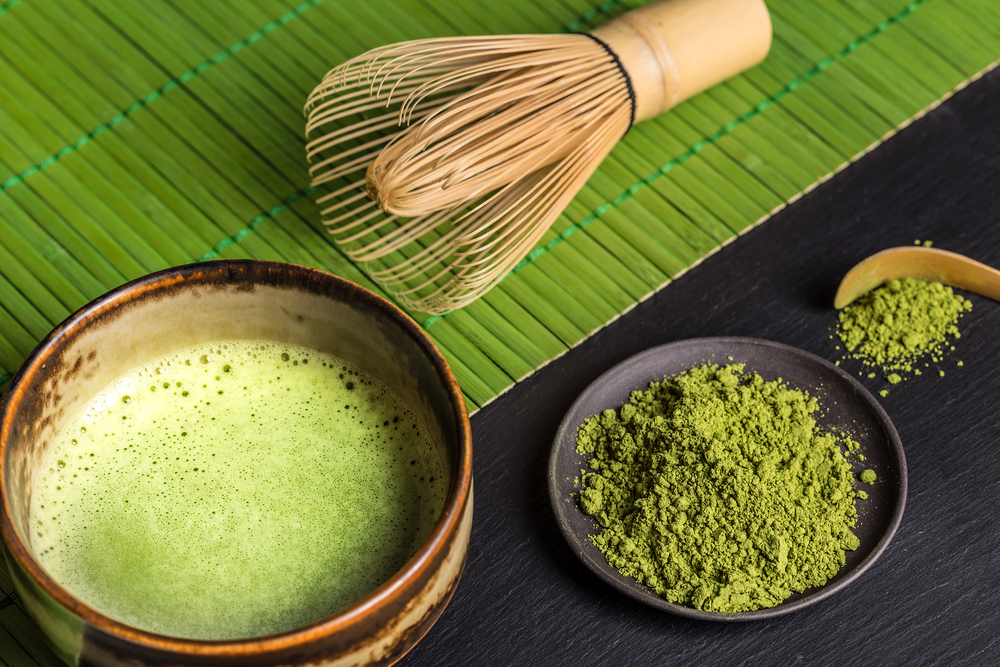
Matcha is a finely ground powder made from selected green tea leaves that are milled together with parts of their stems until they become a smooth, vibrant green powder. Originating from Japan, matcha has now gained worldwide popularity thanks to its distinctive taste and its impressive health benefits.
Although often considered the same as green tea, matcha actually undergoes a different cultivation and processing method. Both come from the same plant, Camellia sinensis, but the key differences lie in how the leaves are grown and prepared.
Before harvesting, tea leaves intended for matcha are deliberately shaded from direct sunlight. This technique increases the levels of chlorophyll and amino acids in the leaves. After harvesting, the leaves are dried and then finely ground into a bright green powder.
Interestingly, matcha powder is made from almost the entire tea leaf along with parts of the stem, which makes its nutritional content higher than that of regular green tea. In one teaspoon of matcha (approximately 100 grams), there are about 50 grams of carbohydrates, 50 grams of fiber, and a total energy value of around 500 kcal.
Matcha contains various important nutrients, including:
-
Catechins
-
Caffeine
-
Phenolic acids
-
Rutin
-
Quercetin
-
Vitamin C
-
Chlorophyll
-
Tannins
These components make matcha one of the most popular superfoods for supporting overall health.
According to Hellosehat.com, here are some of the health benefits of matcha:
-
Improves Brain Function
Matcha is rich in catechins that support brain performance, enhance alertness, and strengthen memory. Its caffeine and L-theanine content help maintain focus, reduce fatigue, and improve concentration. -
Supports Liver Health
The liver plays a vital role in detoxifying the body and processing nutrients. Catechins in matcha have antioxidant and anti-inflammatory properties that help protect liver cells from damage. Regular consumption of matcha is believed to reduce the risk of liver diseases such as hepatitis and cirrhosis, while also supporting the body’s natural detoxification process. -
A Powerful Source of Antioxidants
Matcha is known for its exceptionally high antioxidant content. Catechins such as EGCG (epigallocatechin gallate), ECG, EC, and EGC help protect the body from oxidative stress that can lead to cell damage and chronic diseases. -
Reduces Cancer Risk
The EGCG found in matcha is known for its strong anticancer properties. This compound may help inhibit the growth of cancer cells and protect body tissues from damage caused by free radicals. -
Helps with Weight Loss
Catechins and caffeine in matcha can boost metabolism, support calorie burning, and provide extra energy. Additionally, its chlorophyll content helps maintain healthy digestion, which is why matcha is often used as a key ingredient in natural weight-loss supplements. -
Maintains Heart Health
Matcha plays an important role in supporting heart health. Catechins can help lower bad cholesterol levels, stabilize blood pressure, and strengthen blood vessels. The antioxidant EGCG also helps prevent heart cell damage caused by oxidative stress. -
Reduces Stress and Calms the Mind
Beyond its physical benefits, matcha also helps maintain emotional balance. Caffeine can improve mood and increase energy levels, while L-theanine provides a calming effect and helps the body stay relaxed. This combination makes matcha an effective drink for reducing stress and enhancing mental focus.
Some of the health benefits of matcha still require further research to fully confirm their effectiveness.